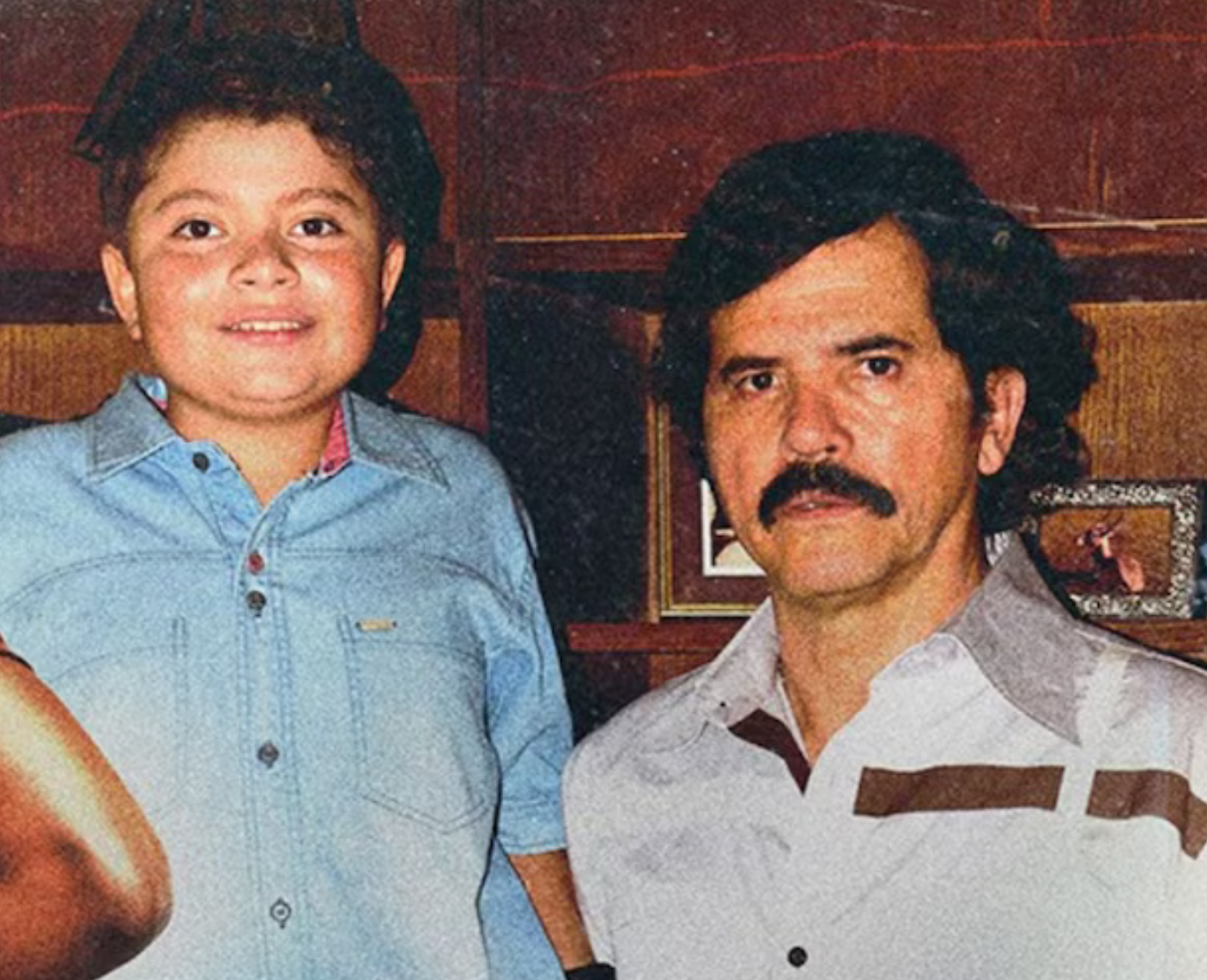
If you’ve recently watched Dear Killer Nannies on Disney+, you probably walked away with one big question: how much of this story is real?
This series goes beyond typical crime storytelling. Instead of focusing on power and violence, it zooms in on something far more unsettling—the childhood of a boy growing up in the shadow of Pablo Escobar.
Here’s what you need to know about the real story behind it.
What Is Dear Killer Nannies About?
At its core, Dear Killer Nannies is not just another cartel drama. It’s a psychological and emotional narrative told through the eyes of a child living inside one of the most dangerous realities imaginable.
The story from a child’s perspective
Unlike most series in this genre, the focus isn’t on crime operations or power struggles—it’s on how a child interprets the world around him.
You experience:
- Confusion between love and fear
- A distorted sense of “normal”
- Emotional attachment to people hiding dark truths
This perspective makes the story more intimate—and, in many ways, more disturbing.
Why this series is different from Narcos
If you’ve seen Narcos, you might expect something similar. But this is where the difference becomes clear.
While Narcos centers on the rise and fall of Escobar’s empire, Dear Killer Nannies shifts the lens:
- From crime → to personal trauma
- From action → to psychological depth
- From power → to vulnerability
It’s less about what Escobar did—and more about what his world did to those closest to him.
Who Is Juampi? The Real Son of Pablo Escobar
The character of Juampi is inspired by the real-life son of Pablo Escobar, known today as Juan Pablo Escobar (now Sebastián Marroquín).
Growing up surrounded by danger and luxury
Juampi’s life reflects a striking contradiction:
- Extreme wealth and privilege
- Constant fear, threats, and instability
Imagine growing up with everything money can buy—while knowing your family is one of the most targeted in the world.
That duality is central to understanding his story.
The psychological impact of his childhood
The real story goes far beyond headlines.
Children raised in violent environments often experience:
- Chronic anxiety and hypervigilance
- Emotional confusion about right and wrong
- Long-term identity struggles
In interviews and public appearances, Sebastián Marroquín has openly spoken about the emotional weight of his past—and his efforts to redefine his life.
How Accurate Is the Series Compared to Reality?
Like most dramatizations, Dear Killer Nannies blends truth with storytelling.
What the show gets right
The series captures several key realities:
- The emotional complexity of growing up in Escobar’s family
- The constant sense of danger surrounding them
- The blurred lines between protection and control
It also accurately reflects the atmosphere of the time—especially in Medellín during the height of cartel violence.
What may be dramatized
For narrative impact, some elements are likely amplified:
- Specific events or timelines
- Character dynamics for emotional tension
- Certain fictionalized relationships
This doesn’t make the story false—but it does mean you should see it as an interpretation, not a documentary.
Why This Story Is Deeply Connected to Medellín Today
To truly understand the series, you need to understand the city where it all happened.
The transformation of Medellín
In the late 20th century, Medellín was marked by violence and instability.
Today, it tells a completely different story.
The city has transformed into:
- A hub of innovation and entrepreneurship
- A leading destination for tourism
- A symbol of resilience and reinvention
This contrast is what makes stories like Juampi’s so powerful—they belong to a past the city has worked hard to overcome.
From violence to cultural tourism
Modern Medellín doesn’t ignore its history—it contextualizes it.
Visitors now come not to glorify the past, but to understand it.
This has led to:
- Educational tours focused on real stories
- Cultural experiences rooted in local perspectives
- A shift from “narco tourism” to responsible storytelling
Can You Visit the Real Locations From the Series?
Yes—and for many people, this becomes the most impactful part of the experience.
Key places you can explore today
Several locations tied to Escobar’s life are still accessible, including:
- His former neighborhood
- Memorial and burial sites
- Areas that played a role in key historical events
Visiting these places adds a layer of reality that no series can replicate.
Guided tours vs exploring alone
While you can visit some places on your own, a guided tour is strongly recommended.
Why?
Because context changes everything.
A good guide helps you:
- Understand what really happened
- Avoid misinformation or myths
- Experience the story with respect and depth
Without that context, it’s easy to miss the bigger picture.
Experience the Story Beyond the Screen
Watching Dear Killer Nannies is just the beginning.
If you truly want to understand the story, you need to step into the real places where it happened—and hear it from those who know it best.
Walk through the locations. Listen to the untold stories. See the transformation with your own eyes.
Explore tours: https://medellinexperience.online/