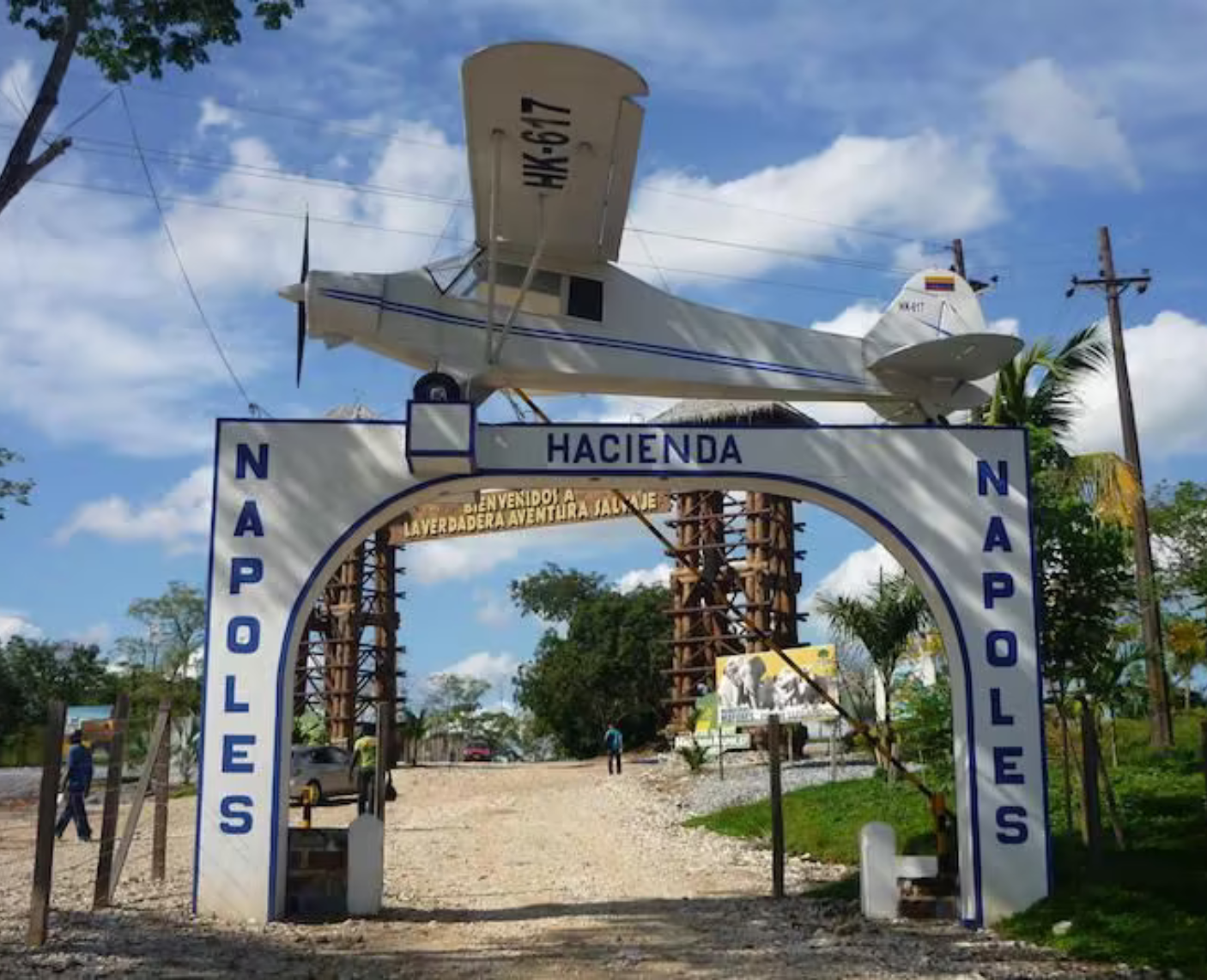
Visiting Medellín often comes with a mix of curiosity and questions—especially when it comes to the legacy of Pablo Escobar.
You’ve probably seen the series, the documentaries, the headlines. But what happens when you stand in the real places where history unfolded?
This guide walks you through the most important Pablo Escobar sites you can visit—and more importantly, what they actually mean.
Why People Visit Pablo Escobar Locations in Medellín
Not everyone visits these places for the same reason—and that matters.
Curiosity vs historical interest
For some travelers, it starts as simple curiosity:
- Who was Pablo Escobar, really?
- What did his world look like?
For others, it’s about understanding history:
- How did this period shape Colombia?
- How did Medellín move forward from it?
The intention behind your visit can completely change your experience.
Influence of series and documentaries
Shows like Narcos and Dear Killer Nannies have played a huge role in sparking global interest.
But there’s a gap between what you see on screen—and what actually happened.
Visiting these locations helps bridge that gap.
Most Important Pablo Escobar Sites You Can Visit
If you’re considering a Pablo Escobar tour in Medellín, these are some of the key locations typically included.
Escobar’s former neighborhood
Known as Barrio Pablo Escobar, this area reflects a different side of the story.
Here, you’ll hear about:
- Housing projects linked to Escobar
- The complex relationship between communities and his legacy
It’s a place where perception and reality often collide.
Monaco Building memorial site
The former Monaco Building—once one of Escobar’s most iconic properties—was demolished and replaced with a memorial.
Today, it stands as:
- A tribute to victims of violence
- A symbol of the city choosing remembrance over glorification
This is one of the most powerful stops on any responsible tour.
Cemetery and final resting place
Escobar’s grave, located in a local cemetery, is one of the most visited sites.
But it’s also one of the most misunderstood.
While some see it as a landmark, others view it as a reminder of the pain caused during that era.
Context is everything here.
Rooftop where he died
The rooftop where Pablo Escobar was killed marks the end of an era.
Standing there, you’re not just looking at a location—you’re witnessing a turning point in Colombia’s history.
What These Places Really Represent
It’s easy to see these sites as tourist attractions.
But in reality, they carry much deeper meaning.
Victims and violence behind the story
Behind every location, there are stories of:
- Families affected by violence
- Communities shaped by fear
- Lives that were permanently changed
A responsible visit acknowledges this reality—not just the headlines.
Medellín’s transformation and resilience
What makes these sites truly powerful is what came after.
Medellín is now known for:
- Innovation and urban transformation
- Cultural growth and tourism
- A strong sense of resilience
These locations are not just about the past—they’re about how far the city has come.
Visiting These Sites Through a Guided Tour vs Alone
You can visit some of these places on your own—but should you?
Benefits of expert guidance
A guided Pablo Escobar tour in Medellín offers:
- Accurate historical context
- Stories you won’t find online
- A respectful and structured experience
The right guide transforms the visit from sightseeing into understanding.
Risks of visiting without context
Exploring alone may seem flexible—but it comes with downsides:
- Lack of accurate information
- Exposure to myths or misinformation
- Missing the deeper meaning behind each place
Without context, these sites can feel empty—or worse, misunderstood.
How These Locations Relate to Dear Killer Nannies
If you’ve watched Dear Killer Nannies, you’ve already seen how powerful these environments can be when viewed through a personal lens.
Scenes inspired by real places
Many elements in the series are inspired by real-life locations and dynamics tied to Escobar’s world.
Visiting these places helps you:
- Connect fiction with reality
- Visualize the environment behind the story
- Understand the emotional weight of the setting
Emotional connection to Juampi’s story
Walking through these locations adds depth to characters like Juampi.
You begin to understand:
- What it meant to grow up in that environment
- The contrast between privilege and danger
- The long-term emotional impact of that reality
It’s no longer just a story—it becomes something tangible.
Walk Through History the Right Way
If you’re going to visit these places, do it with intention.
Discover the real meaning behind each site—not just the surface-level story. Experience Medellín with context, respect, and a deeper understanding of its transformation.
Start here: https://medellinexperience.online/